Designing a Home That Lives With the Landscape
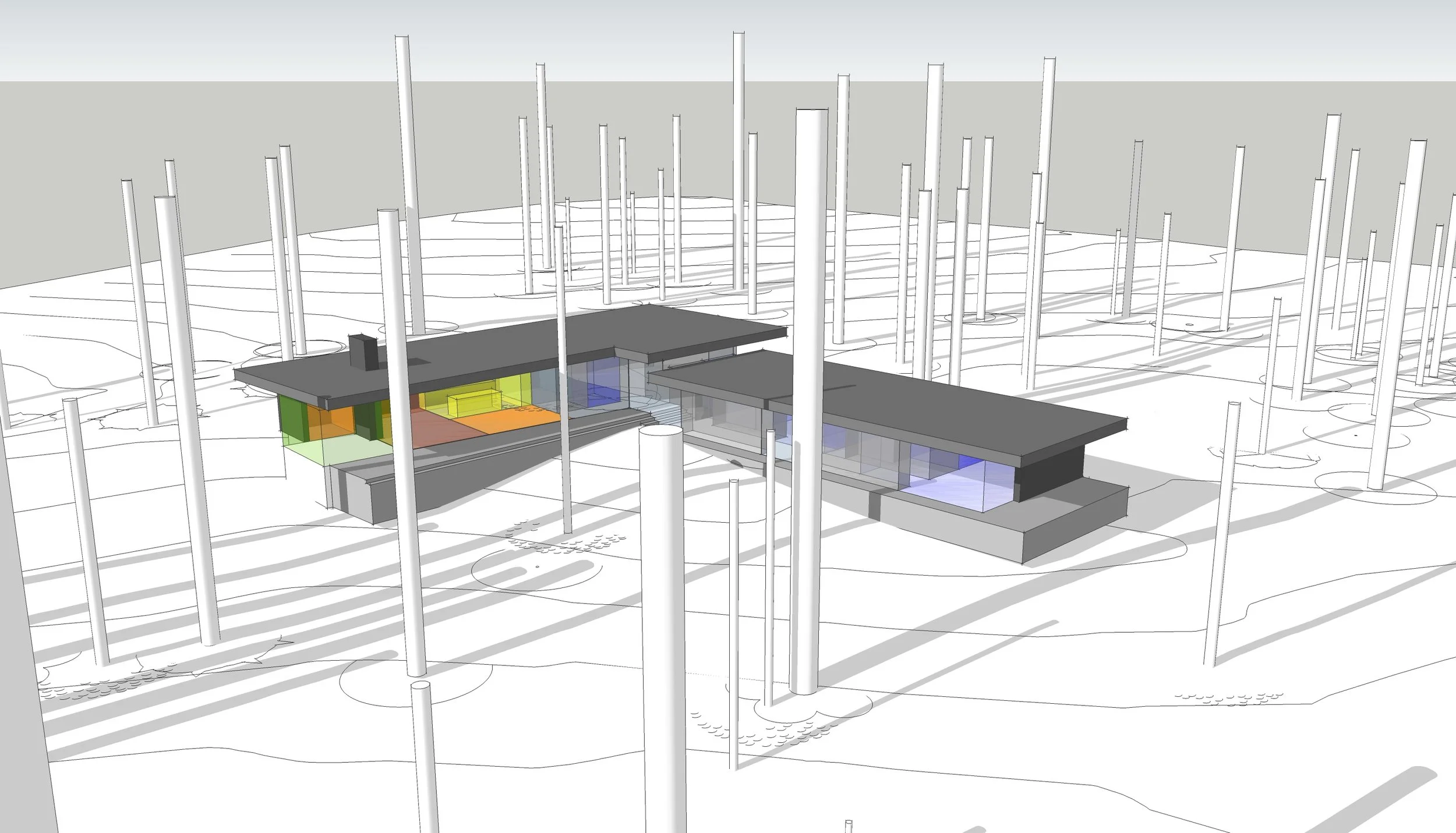
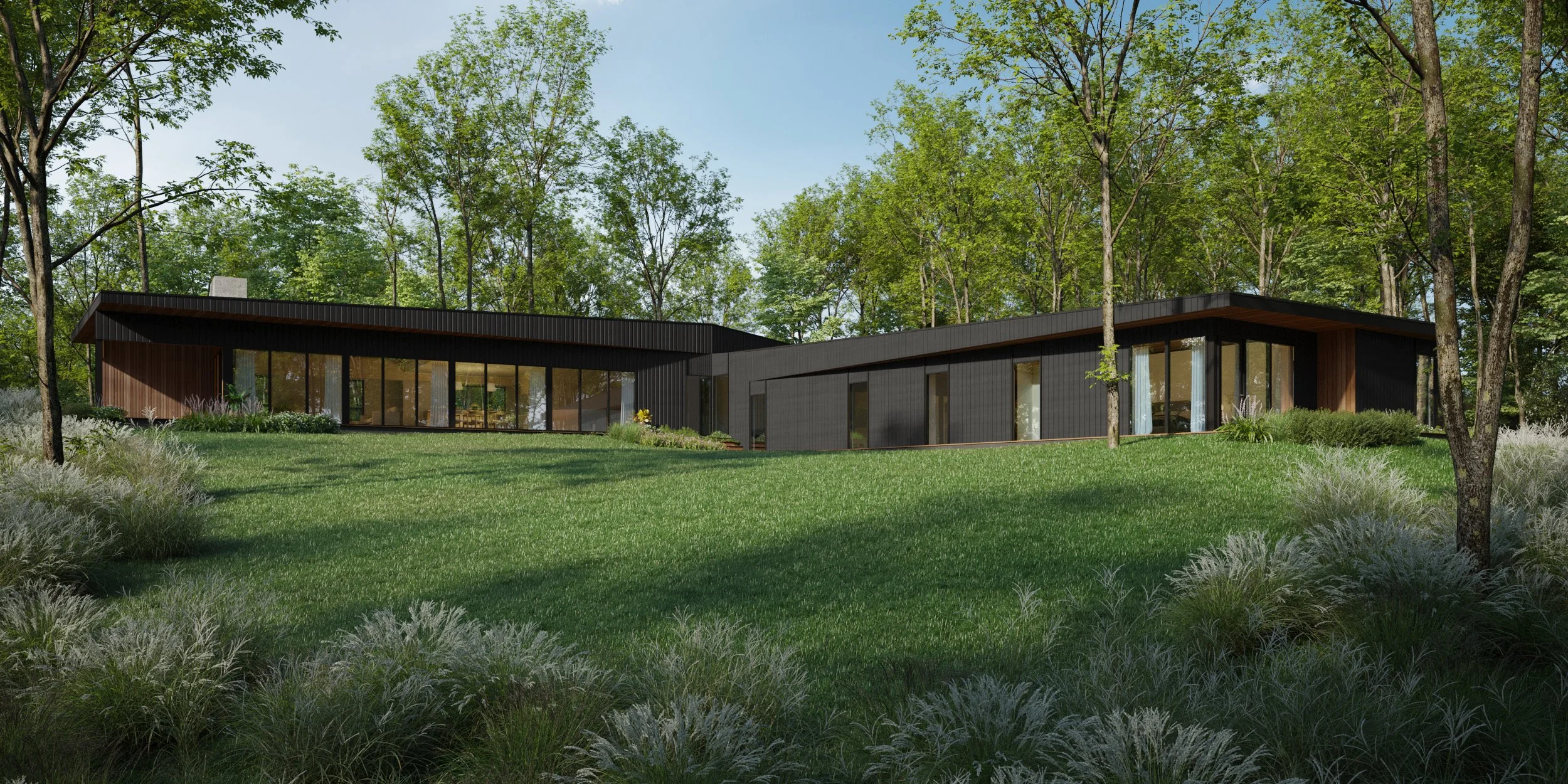
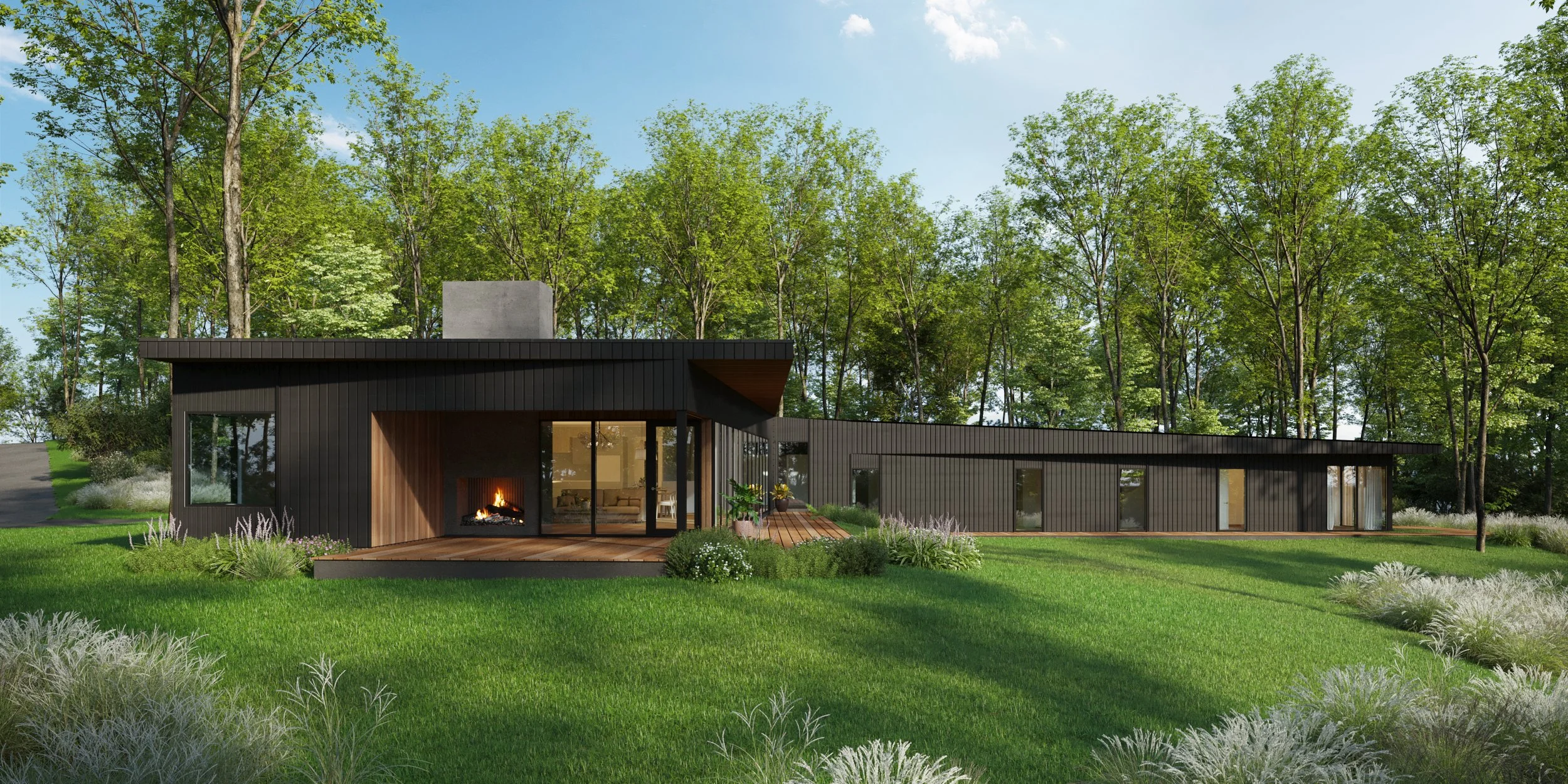
Every now and then a project comes along where the site quietly tells you what it wants. That was the case with this newly completed residence in Chadds Ford, Pennsylvania—a modern 3,500-square-foot home tucked deep into a five-acre stretch of mature woods. From the first visit, it was clear that the landscape would be the lead collaborator.
Letting the Land Shape the Architecture
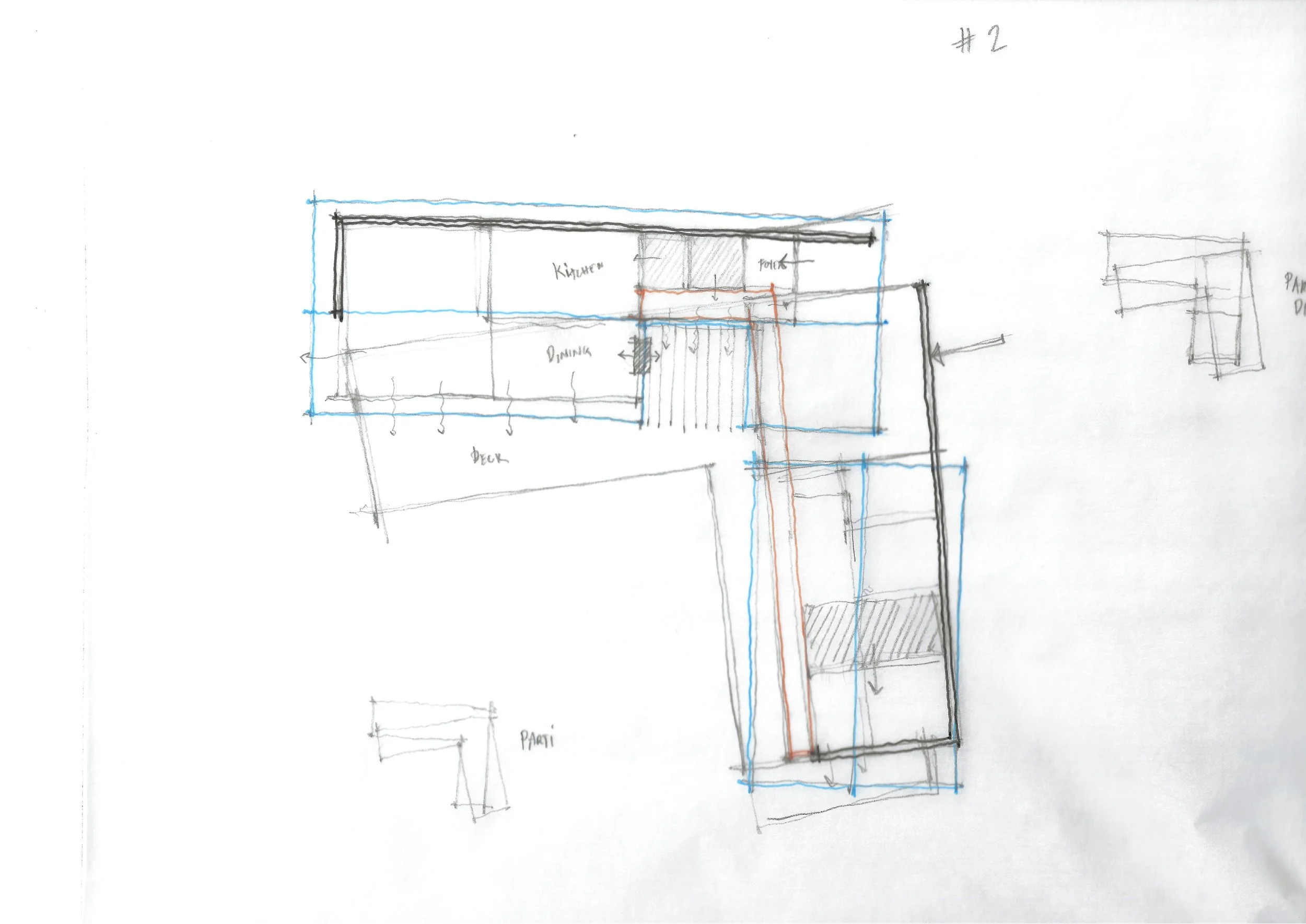
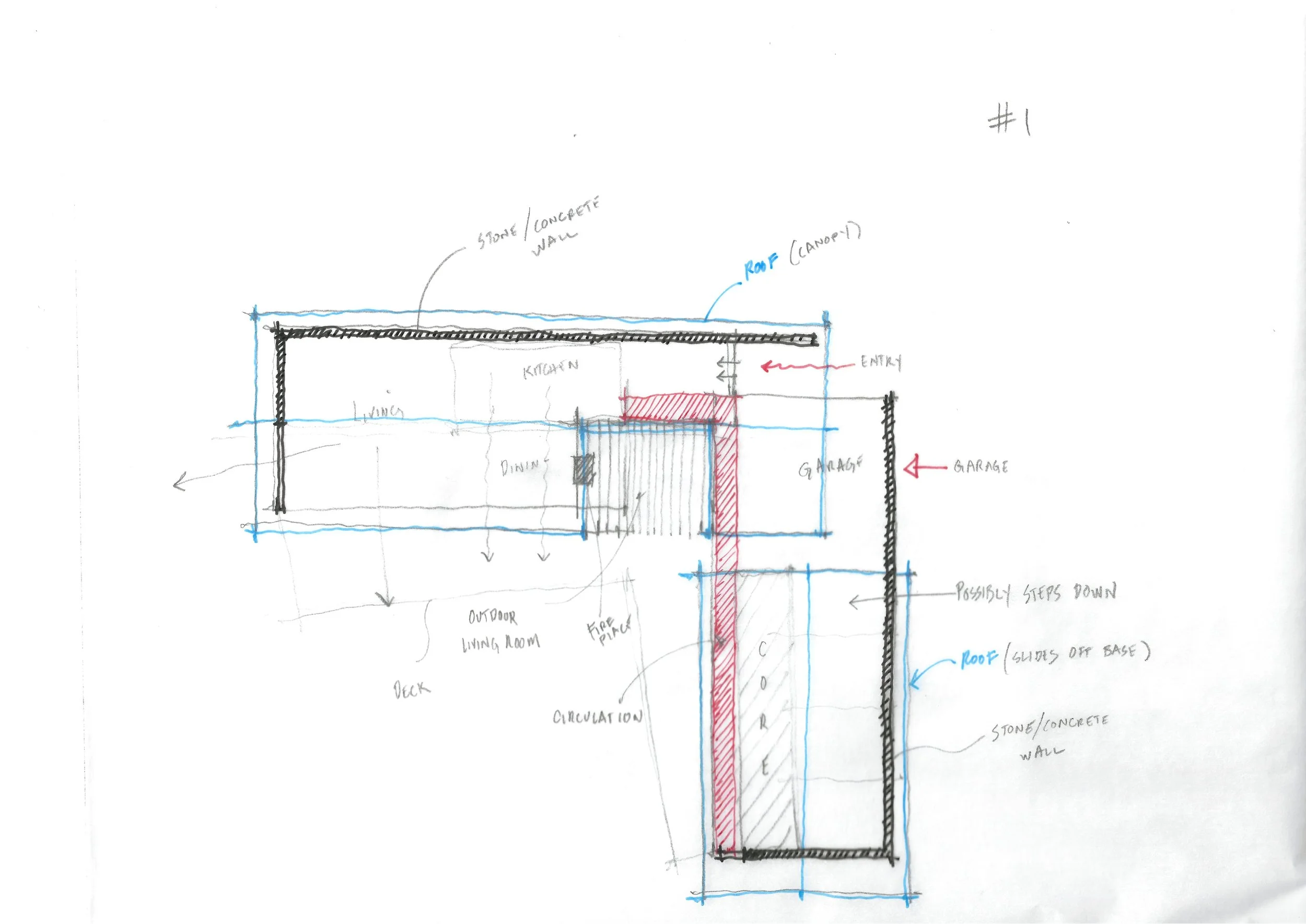
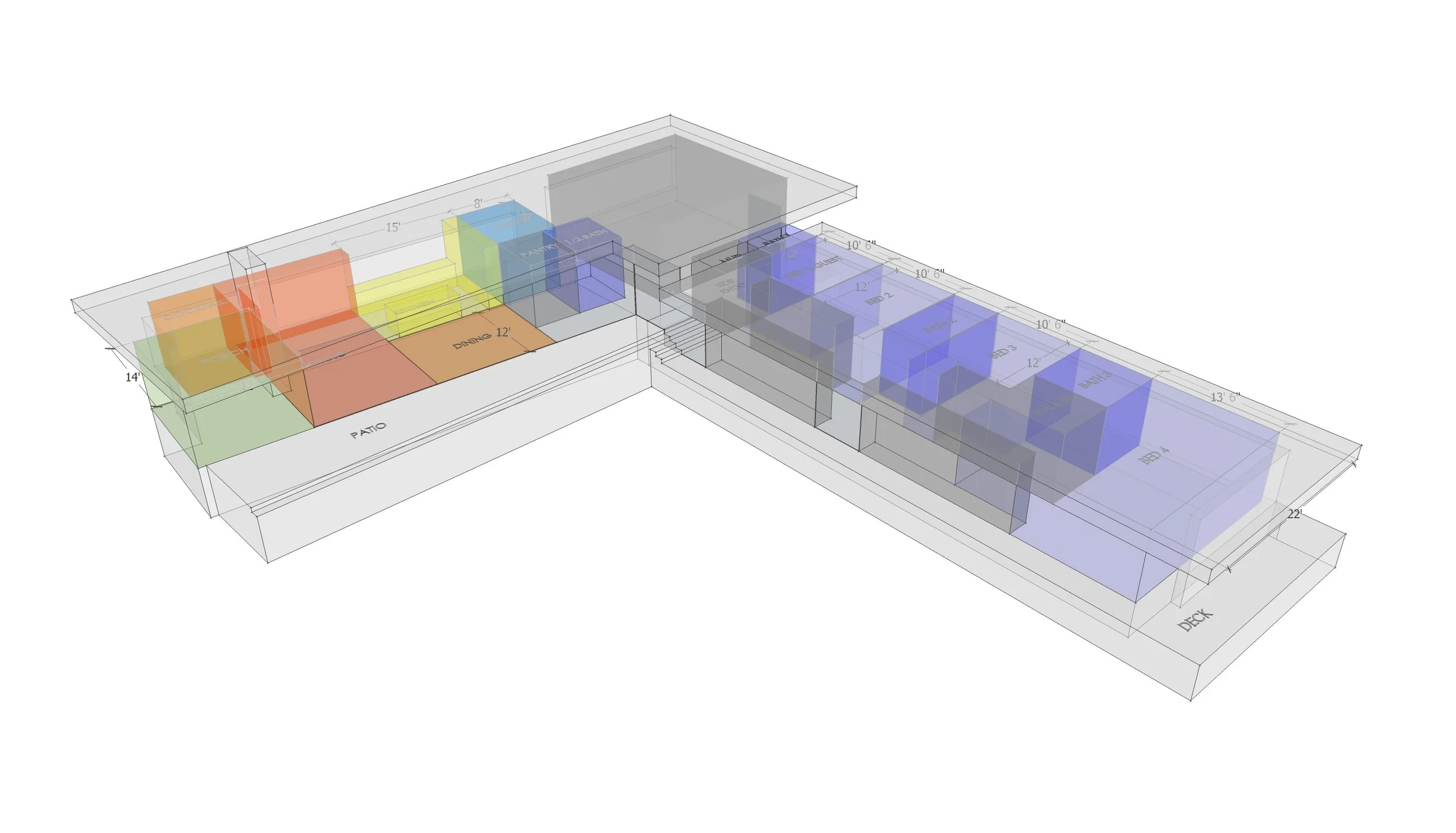
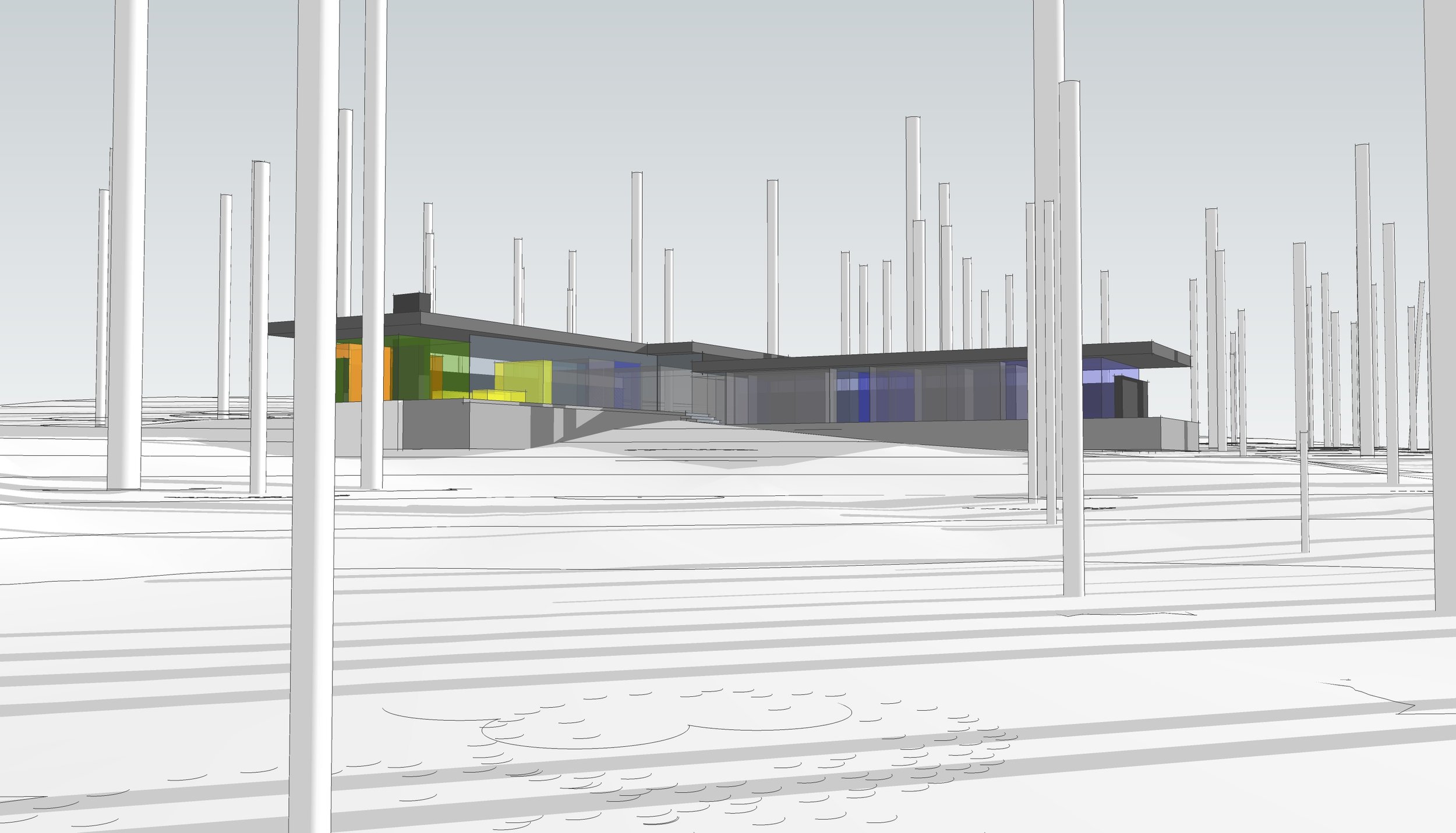
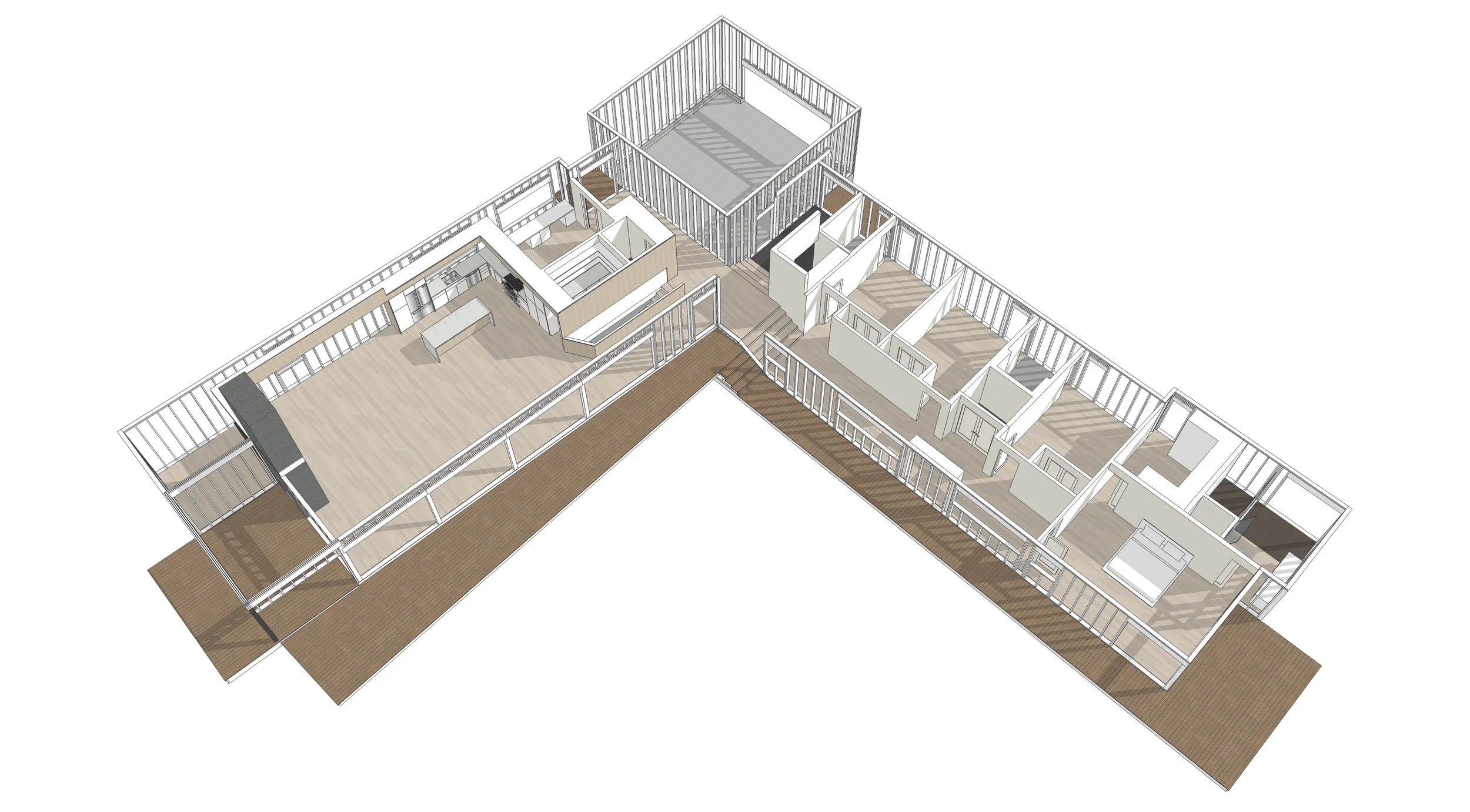
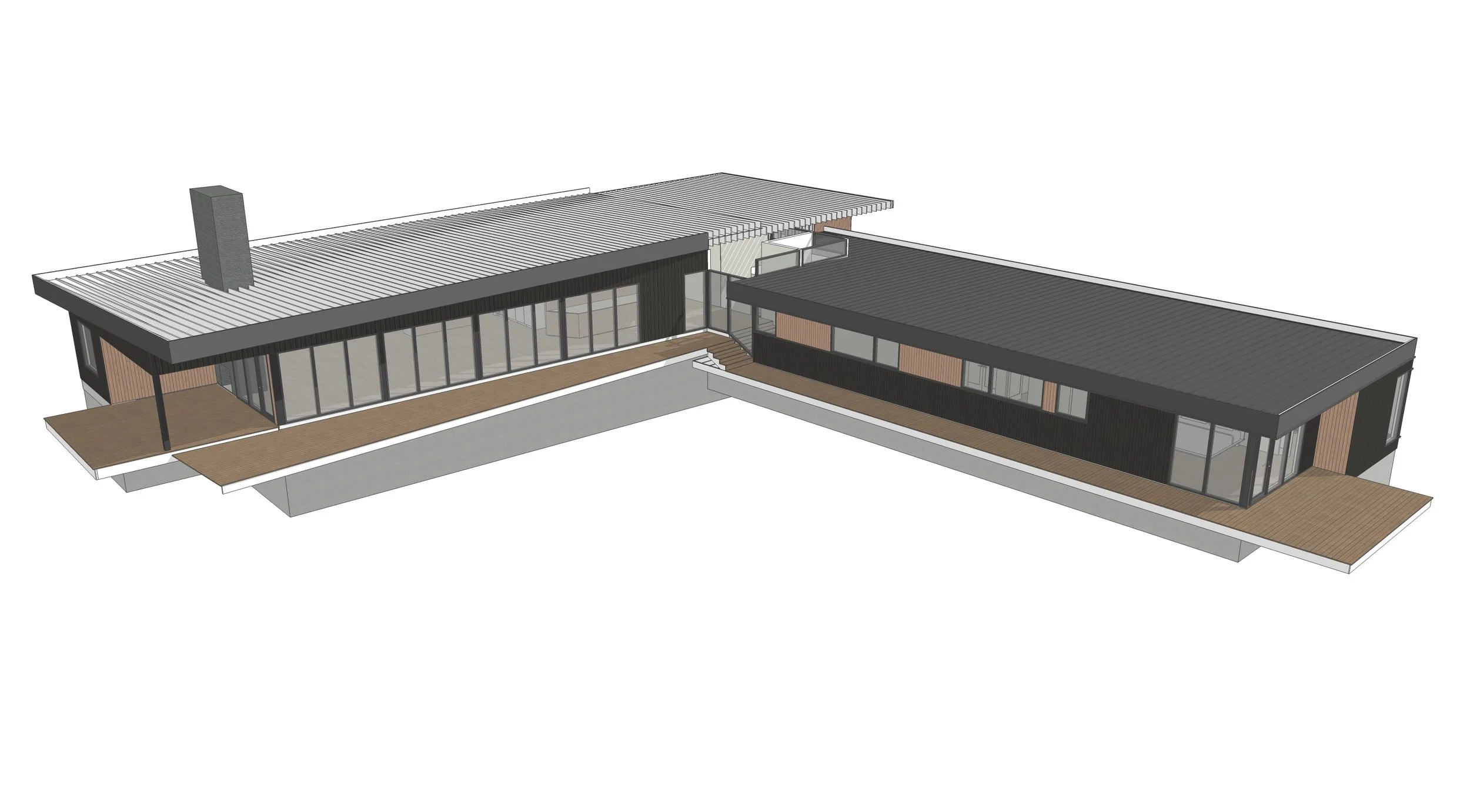
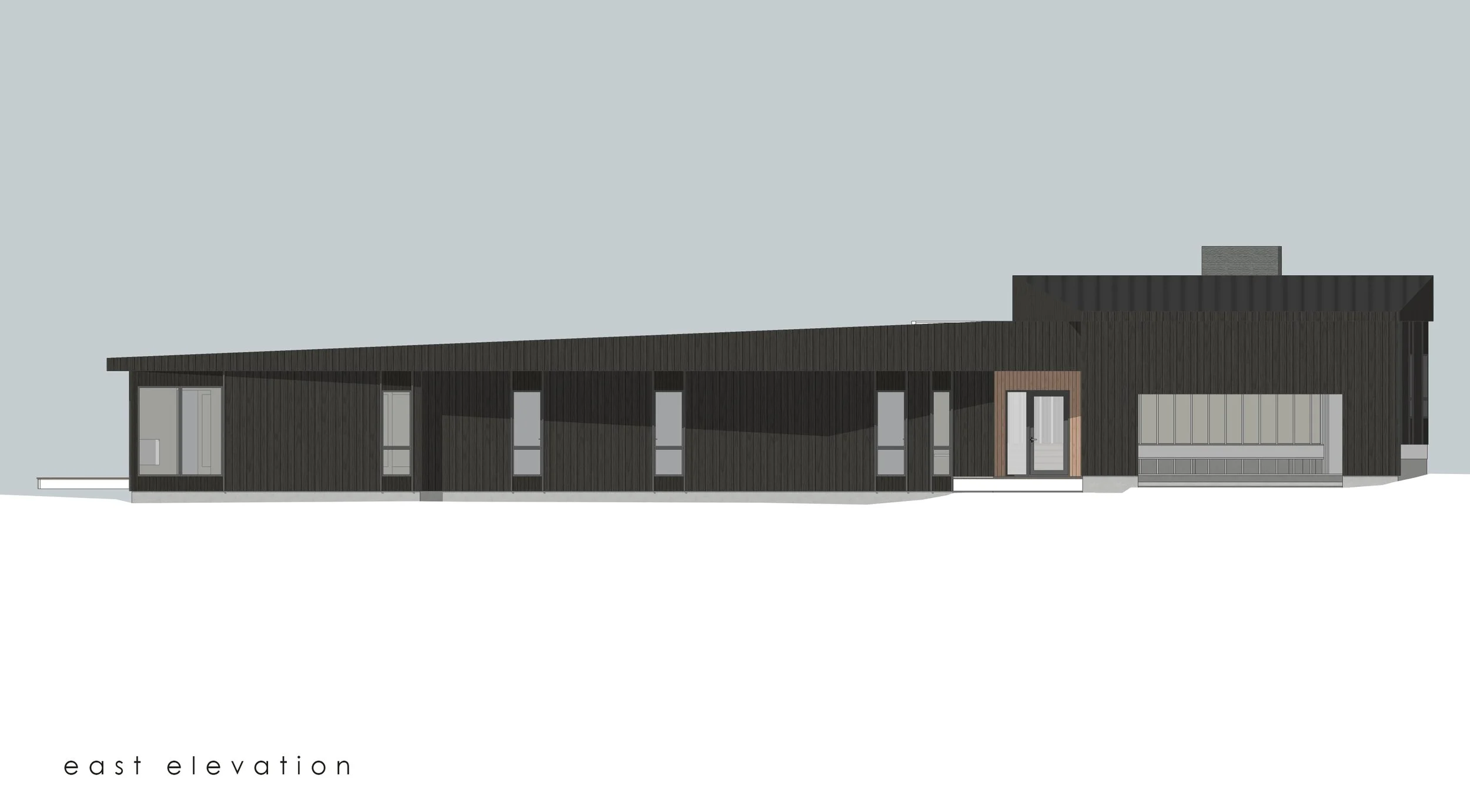
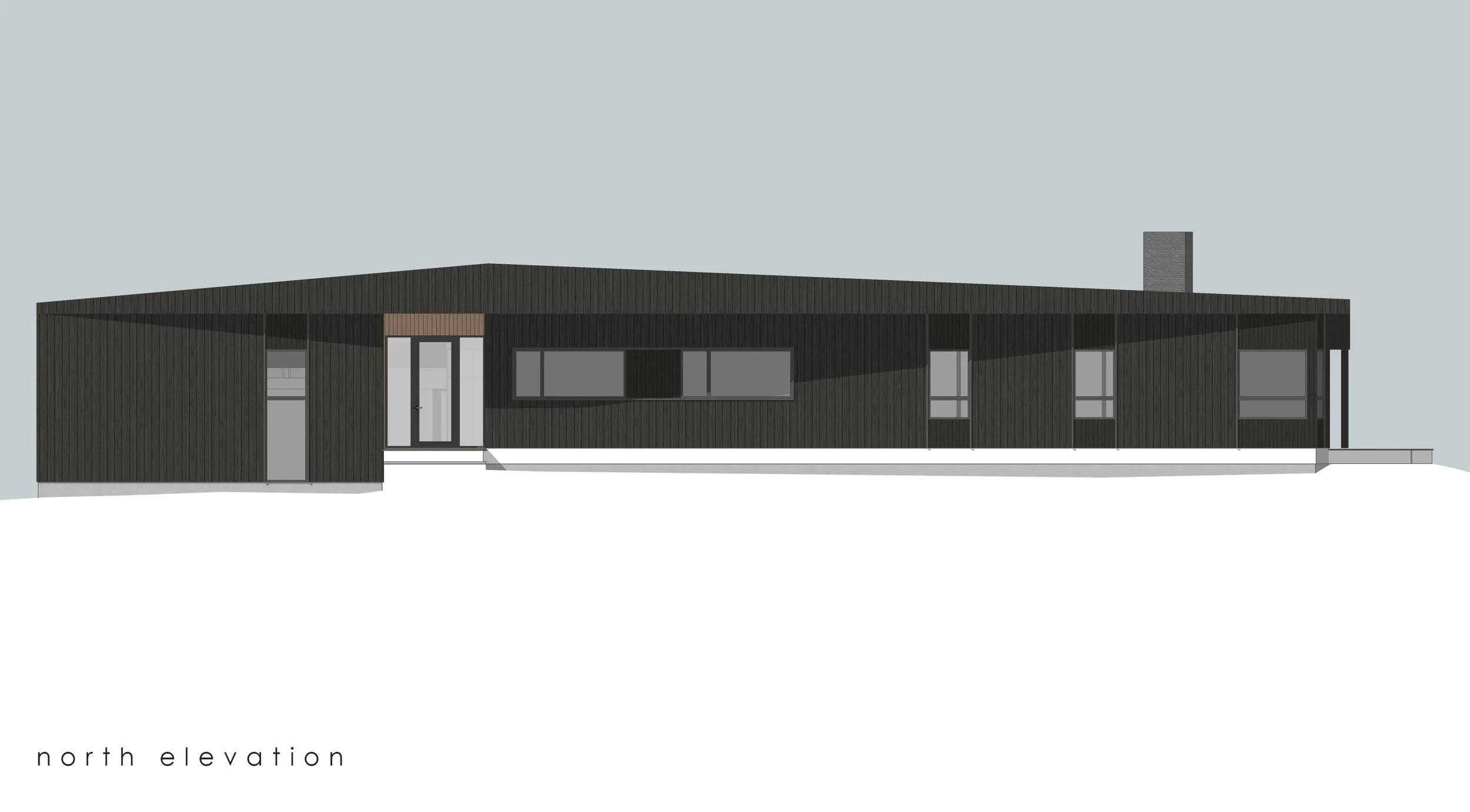
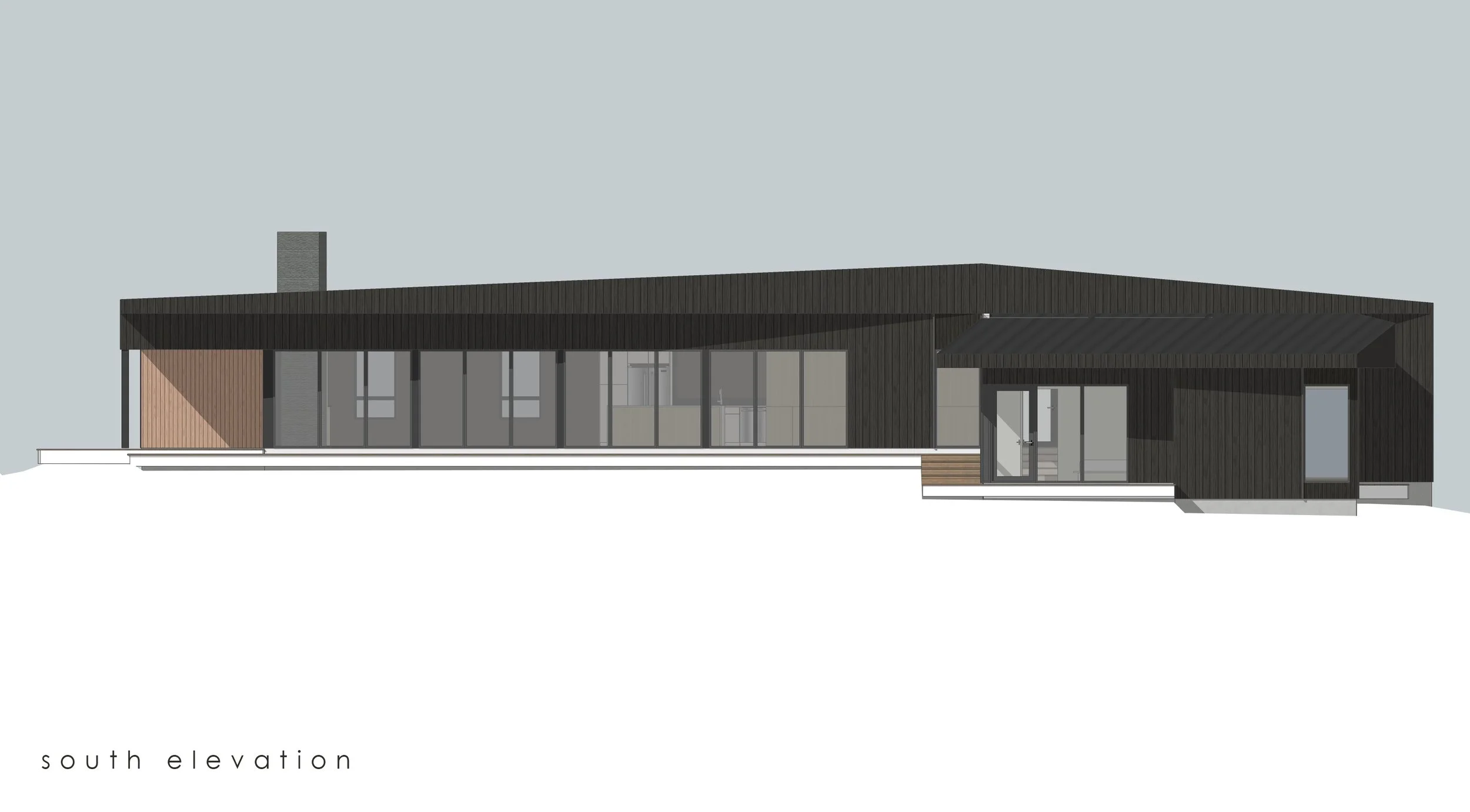
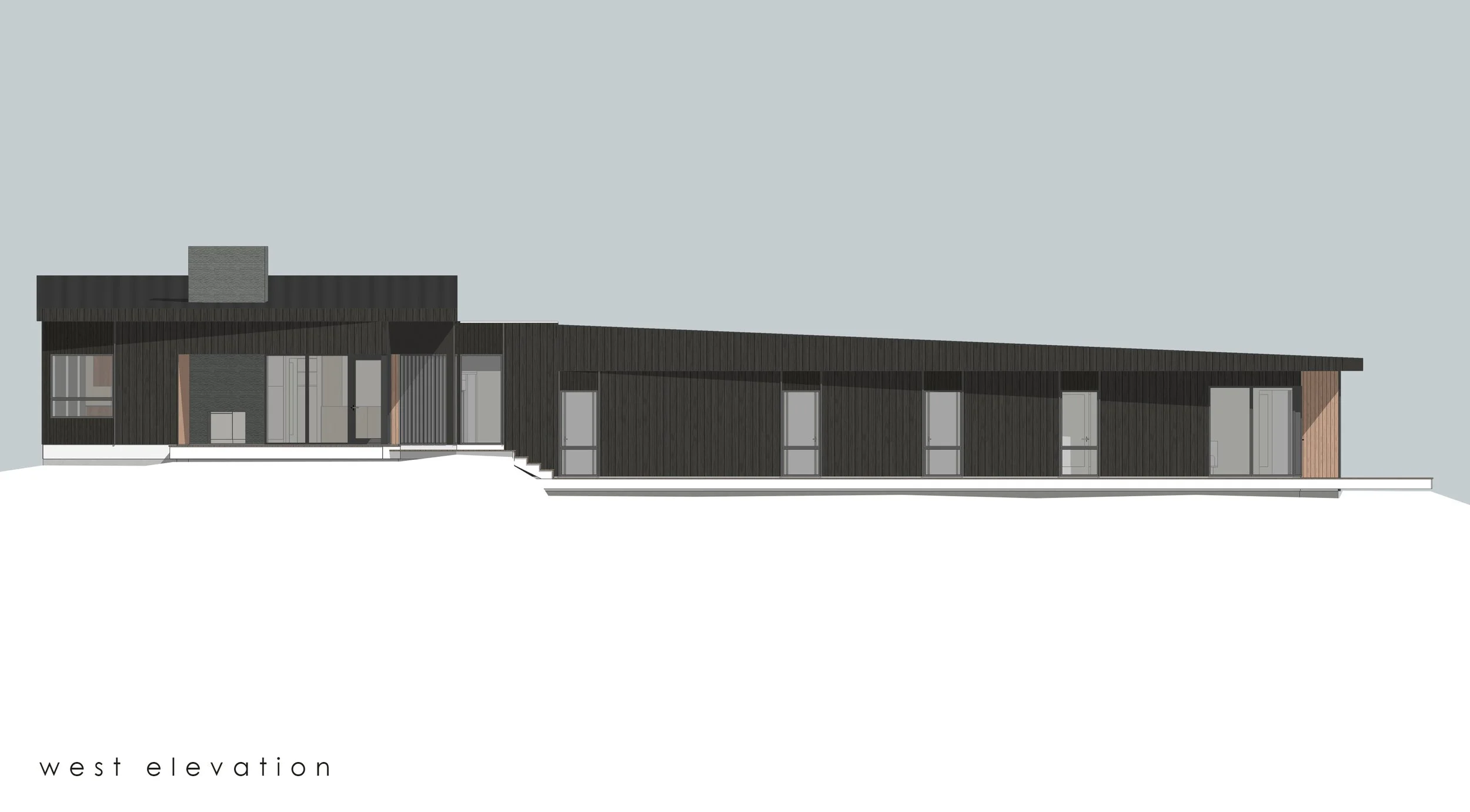
The property slopes gently across its length, creating a natural gradation that we didn’t want to fight. Instead of forcing a single level across the terrain, the design bends with it: an L-shaped footprint where the main living wing sits slightly elevated, and a secondary wing steps down as the grade falls away. This shift creates a subtle progression through the home—open and airy in one moment, quieter and more sheltered in the next.
It’s the kind of move that doesn’t announce itself but is felt as you walk through the house. The floor levels and rooflines echo the land’s descent, giving the structure an almost geological calmness, as though it settled there naturally.
A Balance of Openness and Privacy
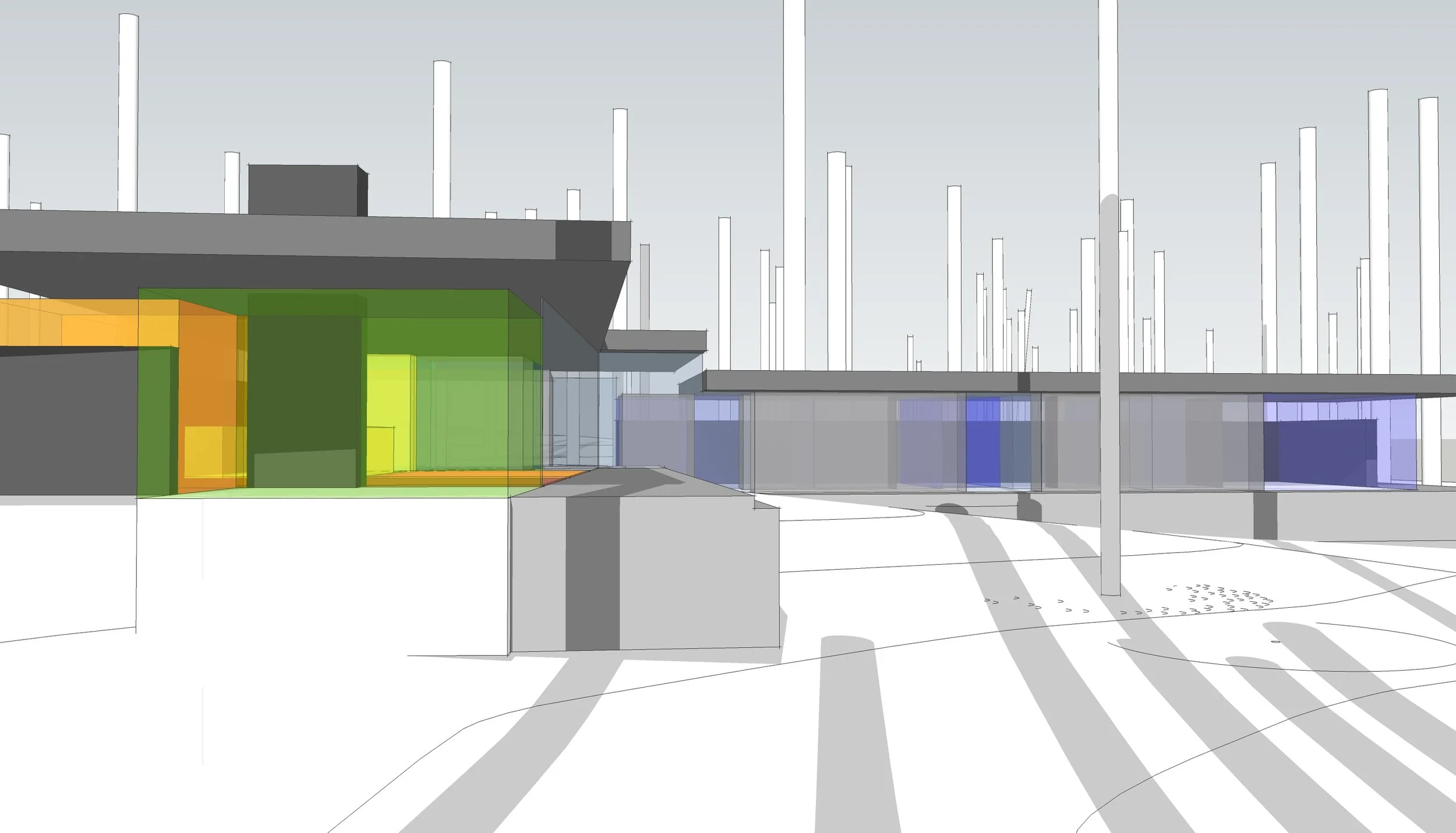
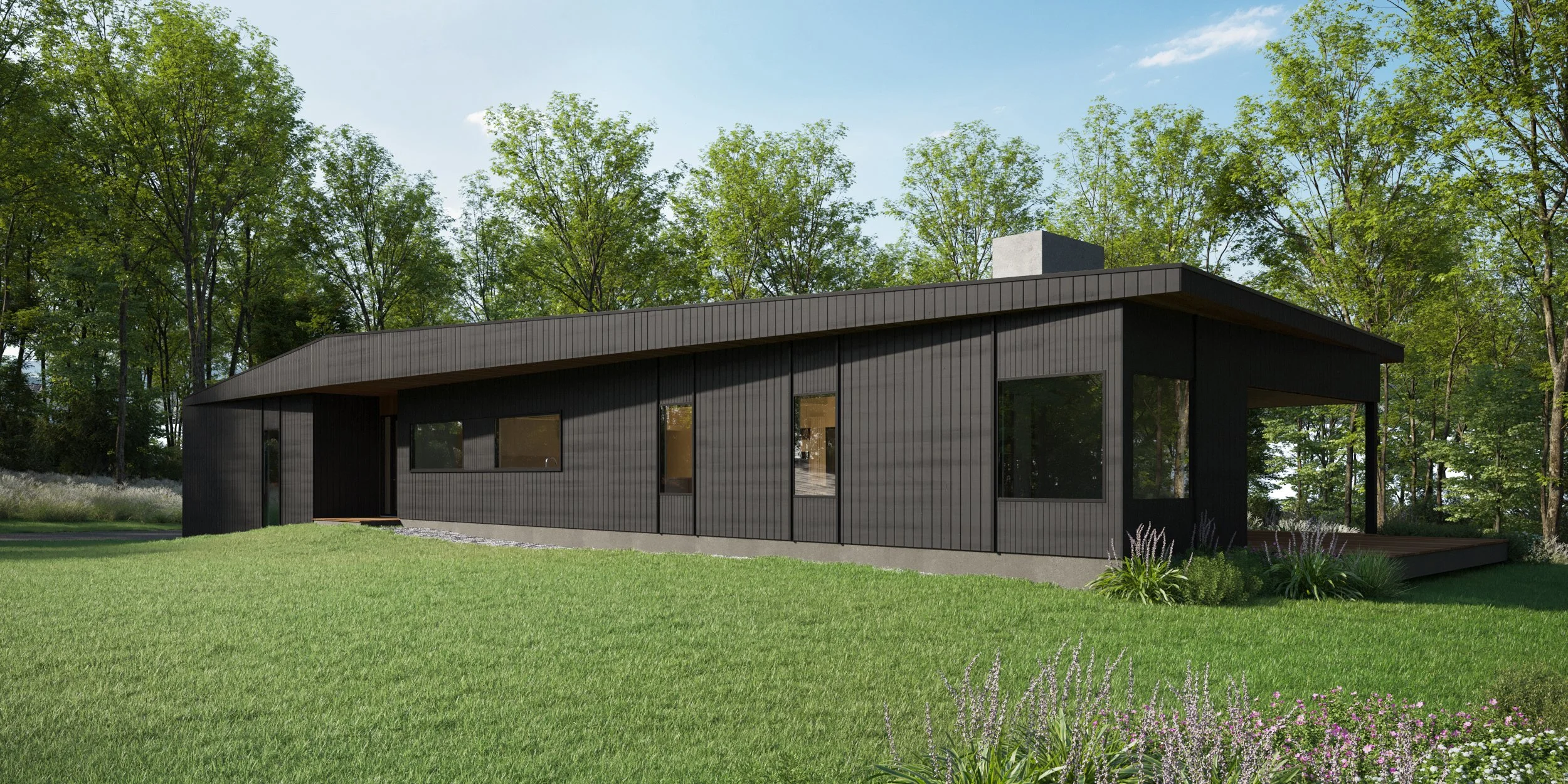
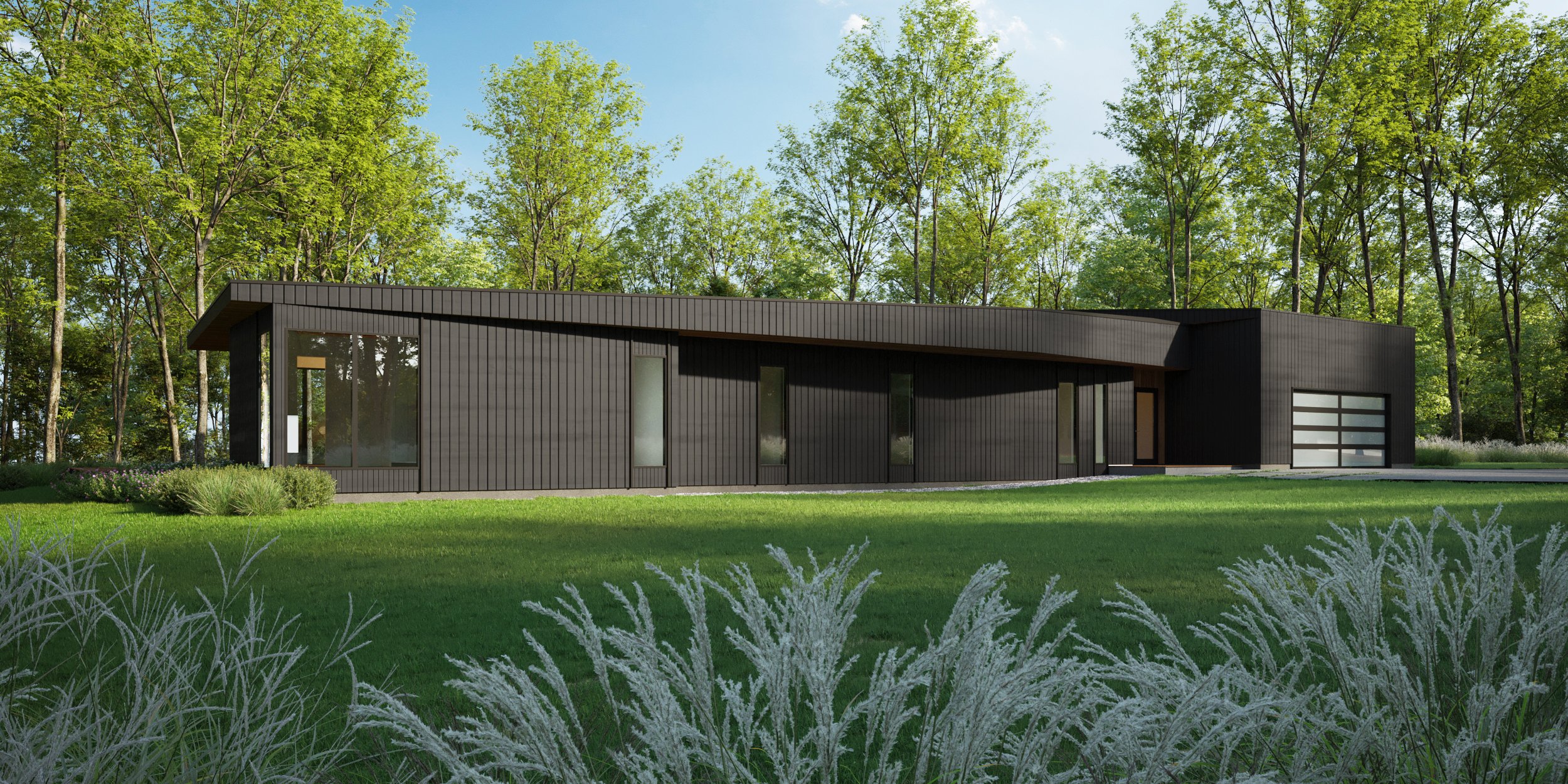
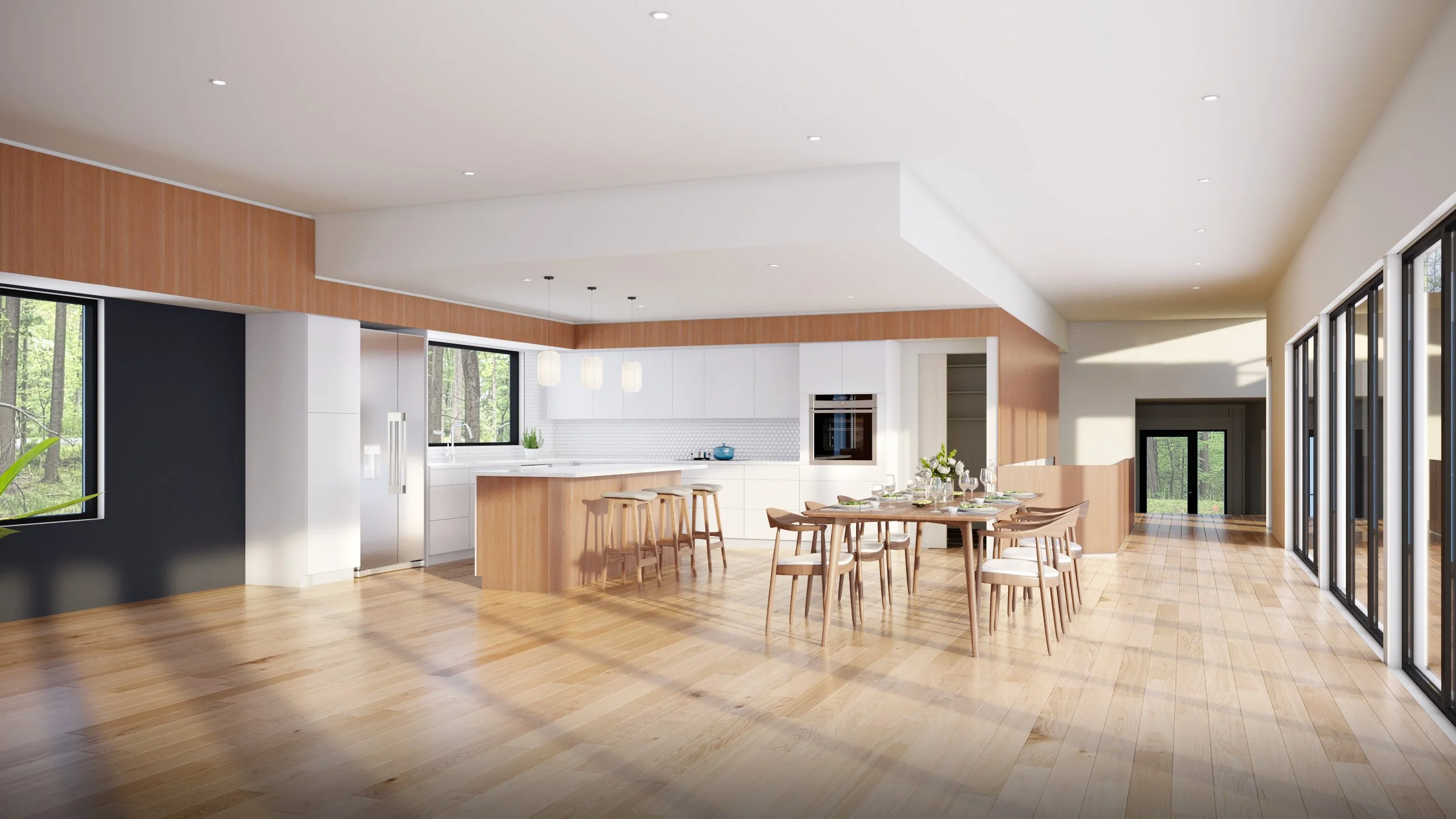
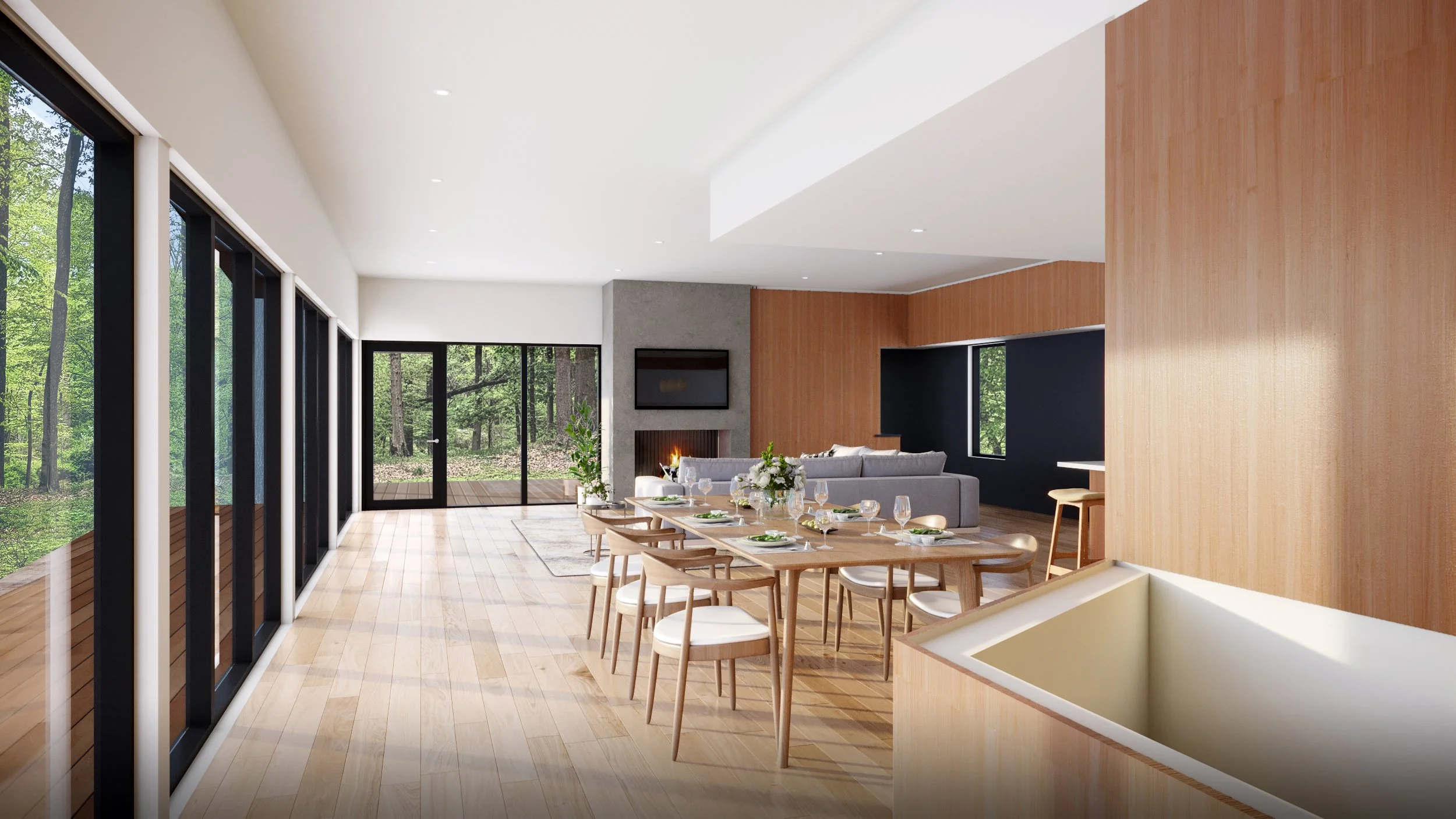
Because the home sits within a dense canopy of trees, the design needed to strike a delicate balance: connect to the surroundings without feeling exposed. Tall, narrow windows give the exterior a composed vertical rhythm and offer carefully framed views out into the woods. Inside, transparency becomes a theme. Glass interior walls allow light to filter throughout the plan, creating long sightlines and a sense of continuity between rooms.
The effect is a home that feels visually open while still maintaining a sense of retreat. You’re always aware of the landscape, but never overwhelmed by it.
A Subtle Angle That Changes Everything
One of the most defining details is a slight shift in the geometry of the L. Rather than meeting at a perfect right angle, one wing rotates just enough to change the roofline. This minimal adjustment introduces a series of canopies of different widths—quiet variations that cast moving ribbons of shade as the sun shifts throughout the day.
Small architectural decisions like this can shape the entire personality of a house. Here, it establishes a rhythm of light and shadow that reinforces the connection between the structure and its forest setting.
A Process Built on Collaboration
Although ONY Architecture is based in Boston, our work frequently extends beyond New England when clients seek a design approach rooted in careful listening, modern detailing, and strong environmental response. With this project, early concept studies revolved around understanding the land’s contours and the way light moved through the trees at different times of day.
From there, the design evolved through ongoing conversations with the homeowners—how they wanted mornings to feel, where they imagined gathering as a family, and how much openness felt comfortable in a woodland environment. The final home is a product of that back-and-forth: architecture shaped equally by place and by the people who will live there.
Modern Architecture That Belongs to Its Setting
The finished house feels quiet, grounded, and deeply connected to its surroundings. It’s a modern home, but not in a way that competes with the landscape. Instead, it folds into the woods, using light, transparency, and subtle shifts in form to create a sense of calm and retreat.
For us, the Chadds Ford residence reflects the priorities that guide much of our work as a Boston architecture studio—design that listens to its site, celebrates natural light, and offers a contemporary way of living that feels both thoughtful and enduring.